
AI in week 17
Daar zijn we weer! English translation below!
First things first, er is weer een nieuw paper van mijn hand verschenen, samen met Izaak Dekker, je kent hem natuurlijk van de studeercrisis. Ik zat al te balen dat ik echt geen tijd en ruimte meer had om er een goed stukje over te schrijven, maar... dat is opgelost want Frans van Heest—het brein achter ScienceGuide—is zijn eigen site begonnen en heeft ons stuk al fijn voor je samen gevat!
Verder ook een prima weekje, niet alleen door het zonnetje, maar ook door de hele fijne reacties op mijn stuk in NRC, dank! De leukste was misschien deze:
Is dit een leuke vorm van wensdenken of juist een zeer accurate voorspelling? Scherp, prikkelend en daardoor interessant toekomstbeeld
(van Okke van 't Verlaat op BlueSky)
Ja, dit is wensdenken, maar is dat erg? Ik had niet kunnen denken dat we ooit telefoons de scholen uit zouden krijgen, maar het lukte. Mensen die vochten voor stemrecht voor vrouwen en burgerrechten dachten misschien ook niet dat het zou lukken, maar ze deden het toch.
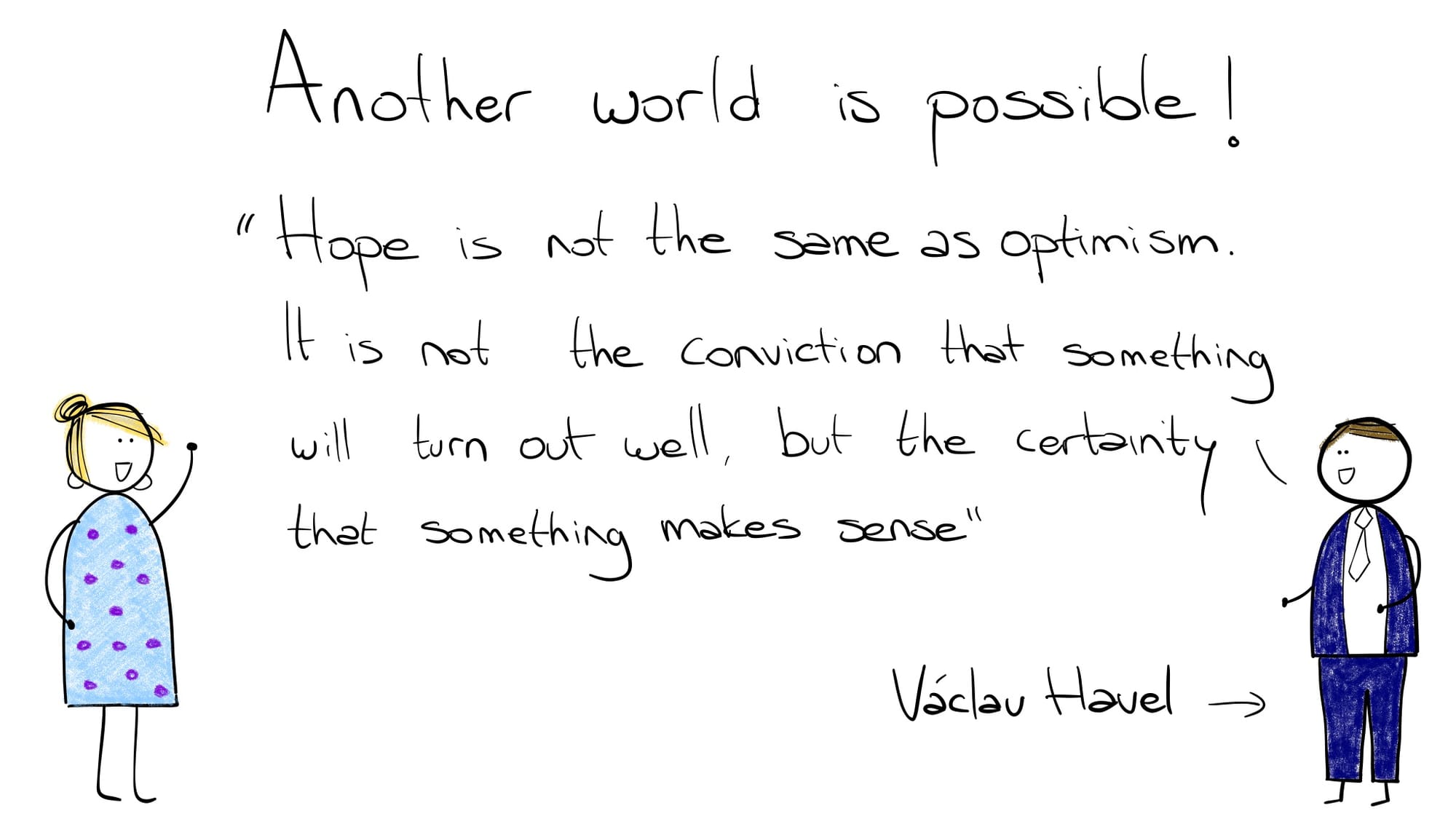
Ik moest denken aan deze quote van Vaclav Havel die ik laatst gebruikte in een lezing:
Ik was blij dat mijn stuk op verschillende plekken als hoopvol en optimistisch beschreven werd (is weer eens wat anders dan als zeurpiet gezien worden) maar dat is wel zo. Professor economie Alex Imas voorspelt ook dat menselijk gemaakt meer waard zal worden, op basis van een paper van twee economen:
[AI] will trigger [...] a post-commodity economy, where a growing share of expenditure goes toward goods and services whose value is inseparable from the human who provided them. The same economic forces that moved 40% of the American workforce off farms and into factories and offices will move workers [into the] human-intensive, provenance-rich, sometimes artisanal part of the economy where the human aspect is part of the value of the good or service itself. The economics of scarcity won't disappear, it'll just relocate.
Dit soort visies hebben we nodig! Het is niet aan makers van technologie alleen om te bepalen hoe de wereld eruit kan zien, of gaat zien! Visies op de toekomst zijn van ons allemaal, en de wensen van big tech zijn heel anders van aard, die willen alles wat menselijk is automatiseren. Maar kan wat wel? Daarover schreef ik dan deze week weer in Volkskrant. Die column begint zo:
Everything humanity has ever created, every task, every achievement, will very soon be performed better by artificial intelligence', aldus ex-Googler en schrijver Mo Gawdat op Linkedin. We horen tegenwoordig bijna niets anders: AGI – artificial general intelligence – is er bijna.
Maar ze bedoelen natuurlijk niet echt, alle taken... De rest van de column lees je hier. tl;dr laat je niet wijsmaken dat AI echt alles kan.
En gelukkig verschenen er deze week nog heel wat andere stukken over AI-verzet!
Marietje Schaake heeft net een nieuw boek, en zei in een interview met De Tijd daarover:
[E]r wordt gedaan alsof AI een grote intrinsieke waarde heeft die rechtvaardigt wat er allemaal aan offers wordt gevraagd. We vragen ons te weinig af wie daarvan profiteert.
Volgens haar is er een 'botlash' ophanden, waarin mensen zich gaan verzetten tegen AI. Ik help het haar hopen, maar het schijnt een serieus scenario te zijn:
Ik was onlangs op een AI-conferentie, waar ik sprak met een vertegenwoordiger van een van de grootste investeringsbanken ter wereld. Ook die bank werkt met scenario's waarbij er binnen twee jaar een brede volksopstand tegen AI komt. En wie ben ik om te twijfelen aan de grondigheid van zo'n analyse?
En dat hoeft natuurlijk niet de vorm te hebben van molotovcocktails tegen de gevel van Altman, al is dat er ook een teken van. Rolling Stone schrijft in alweer een goed geresearched stuk [[1]]
Digital media professor Safiya Noble, author of the book Algorithms of Oppression, says, "We are solidly in the 'techlash,' which is the backlash against the tech sector and tech billionaires, who are obsessed and preoccupied with their sci-fi fantasies of the future."
En er was nog meer media deze week, ik was bij BNR over de mythe van Mythos.
[[1]]: Wel jammer alleen dat de oprichter nogal een seksist is :(
Mei: Social Vrij!
Hoi hoi, het is weer bijna mei, vogeltjes kwekken in hun nestje, blij, lammetjes in de wei en jij en ik social vrij!
Doe mee, log uit en geniet van je rust. Ik heb er zin in!
Om je alvast voor te bereiden op die nieuwe wereld een paar leuke stukken om te lezen in dat thema. Bijvoorbeeld deze uit Wallstreet Journal over vastetelefoonlijnen voor kinderen. Een onderbelicht probleem van mobiele telefoons is dat (telefoonvrije) kinderen zelf hun vriendjes niet kunnen bellen om af te spreken! Dat moet via de Whatsapp van ouders, heel onhandig alleen al omdat je niet weet welke van de twee ouders er op welke dag bij ieder kind in de buurt is om te vragen of ze mogen spelen, en je dan als ouders altijd op je telefoon moet kijken. Handig dus als kinderen elkaar(s huis) gewoon kunnen bellen!
Of wat te denken van het onverwachte succes van de... iPod! Volgens QZ echt aan een opmars bezig:
Additionally, according to Back Market, total sales of refurbished iPods are up an average of 15.6% per year over the past two years.
Logisch vind ik, mijn Light-phone heeft ook wat weg van een iPod, je kan er muziek op luisteren, maar er zitten geen afleidende apps op. En, het analyseert verder niks al luister je 24/7 De Teletubbies Tune, dat moet je lekker zelf weten: "It doesn't try to optimize you or track your metrics while doing it".
En doe je het niet voor jezelf? Denk dan eens aan je kinderen! Heel oud onderzoek, uit 2017 al van de Nationale Academie voor Media en Maatschappij onder 1.849 jongeren tussen 13 en 18 liet zien dat:
[...] 38% van de ouders "soms of zelfs nooit" gehoor [geeft] aan de verzoeken van hun kinderen om te stoppen met hun smartphone.
Ja, denk ik altijd als ik mensen heel enthousiast hoor over Smartphonevrij opgroeien denk ik, waarom heb je er dan zelf eentje? Ik citeer mijzelf:
We weten dat kinderen van drinkers gaan drinken en kinderen van rokers gaan roken. Maak je je dus oprecht zorgen dat je kinderen telefoon dependent worden? Leg je telefoon dan boven in een la, en gebruik 'm alleen na hun bedtijd. Je rookt toch ook niet in de woonkamer?
Dat dus! Zelfs als je je telefoon pakt voor iets zinnigs, zit je zo weer te scrollen, treintjesgedrag heet dat, leerde ik uit dit stuk op HLN:
Je springt onbewust steeds van de ene applicatie naar de andere, en hops, je bent weer 30 minuten verder.
En dit gedrag heeft echt effect, schrijft Cal Newport (informatica-professor voor vooral bekend van zijn boek Deep Work) in New York Times:
Research from Gloria Mark, a professor of informatics at the University of California, Irvine, indicates that our attention spans are about one-third as long as they were in 2004, with the biggest drops happening around 2012.
Newport legt wel hele grote stappen, zo schrijft ook dat productiviteit omlaag ging toen technologie steeds verslavender werd, maar ja, dat kan natuurlijk aan van alles liggen. Desalniettemin refereert zijn stuk aan een hele hoop helder onderzoek, zoals het feit dat alleen al de aanwezigheid van een smartphone je concentratie al vermindert (dus misschien moeten we volgend jaar mei smartphonevrij doen?)
Newport verwerpt het idee dat dit allemaal onvermijdelijk is, en trekt een vergelijking met fast food: "Stop consuming ultraprocessed content. Don't use TikTok. Don't use Instagram. Don't use X. Their sugar-high benefits aren't worth the costs." en sluit sterk af:
I'm done ceding my brain — the core of all that makes me who I am — to the financial interests of a small number of technology billionaires or the shortsighted conveniences of hyperactive communication styles. It's time to move past fretting about our slide into the cognitive shallows and decide to actually do something about it.
Jaaaaaa!
Dus, doe mee, kondig het snel aan op de socials zodat je voor schut staat als je toch post (Mag u ook bij mij doen als ik het niet volhoud)! Als extraspeciale service zal ik iedere week in mei ook nog een film of boek aanraden om de tijd door te komen. Als je je toch gaat vervelen, kan je natuurlijk altijd smullen van een nieuwsbrief uit mijn archief, of het leuke gidsje bestellen! Of, misschien wel nog beter.... Lekker niksen!
Innovatief spieken?
Leerlingen op Het Koning Willem II College zijn betrapt op het stiekeme gebruik van AI via een meegesmokkelde telefoon. Innovatief, noemt het Brabants Dagblad dat, nou dat lijkt me mee te vallen, want of je die telefoon nog gebruikt om je eigen spiekbrief te pakken, om iemand te appen of om AI te gebruiken, dit heeft niks met AI-technologie te maken, maar met beroerde controle, misschien omdat, zoals het stuk vermeldt, "de meisjes als keurig en uiterst beleefd bekend stonden". Daar heb je denk ik je smoking gun!! Sterker nog, AI was hier eerder probleem dan oplossing voor de meiden, want door allemaal hetzelfde antwoord te geven, vielen ze door de mand. Een ouderwets spiekbriefje was misschien niet opgevallen!
Maar natuurlijk zijn er altijd weer experts die hier met hyperbolen op mogen reageren, alle geschreven toetsing moet weg, want AI (wat hier dus niet het echte probleem was, ook zonder AI hadden deze dames kunnen spieken, zelfs een niet gevonden Nokia 3310 en een welwillende hulplijn had hier problemen veroorzaakt). En daar stopt deze expert niet, alle computeropdrachten moeten weg tenzij ze in een beveiligde omgeving worden uitgevoerd. Ja, ik ben ook wel eens wat radicaal, maar dan blijft er wel heel weinig over.
Laat je niet gek maken docenten, toetsen op papier—als we de telefoons, watches, glasses goed in het oog houden—is een prima manier! Bovendien faalde het systeem hier op een goede manier, de docent herkende de AI onzin, en leerlingen krijgen een zware, passende straf. Geen probleem, moving on.
En dan nog even dit
- Mooie Tegenlicht-documentaire met Helen Lewis over individuele geniëen en het effect van die mythe op geschiedenis en toekomst, over bijvoorbeeld hoe Elon Musk zijn gekke trekjes (totaal onaardig zijn) gerebrand heeft als een noodzakelijke eigenschap voor zijn genialiteit.
- Hoopvol stuk in Trouw van Erik Ex (al zijn stukjes zijn fijn!) over zwarte zwaan-scholen, scholen die het ondanks een moeilijke populatie, wel heel goed doen. Wat zien we daar? De scholen zijn heel divers, maar vallen op omdat zowel docenten als leerlingen zich er thuis en gezien voelen. Of dat nu oorzaak of gevolg, tsja, een beetje van beiden natuurlijk, maar mooi is het wel!
Events, voor in de agenda!
- Maandag 18 mei zit ik in een panel over de toekomst van de wetenschap in Spui25
- Donderdagavond 21 mei bij de Abraham Kuyper lezing met Thomas Heerma van Voss en met het VU Kamerkoor
- Vrijdag 5 juni op de TU/e zit ik een in een panel over de toekomst van peer review (Engels)
- Woensdag 10 juni spreek ik in Antwerpen op DDD Europe (Engels)
- Woensdag 17 juni op LAIDENFEST in Leiden
- En alvast voor na de vakantie... Op 4 september op het SpaceRock IT festival!
Slecht nieuws
Ben je democraat in de VS en wil je in het midterms meedoen? Wees dan maar niet al te kritisch op AI zeggen adviseurs in de partijtop (ai, daar gaan mijn kansen!). En we blijven even in Amerika voor dit ontluisterende verhaal over het privatiseren van ambulances! Een saaie boel die eens even flink moest worden opgeschud:
"25 years of EMS and ambulance designs are stagnant," said one commenter in an EMS channel on Reddit. "Most manufacturers are like: 'We added a shelf for a monitor' 'We added a harness to the bench' 'We added LED cabinet lighting' That will be $300k please!"
En nog wat in de categorie medisch. AI bots stellen de verkeerde diagnose in 80 (!) procent van de gevallen in het begin van een ziekte! Onderzoekers testten 21 verschillende modellen (waaronder Deepseek, Gemini, Grok en ChatGPT) en zag dat die veel te snel besluiten als er weinig informatie voorhanden is. Een menselijk dokter vraagt misschien door, verzamelt meer informatie of (irritant maar soms nodig) stuurt je naar huis en zegt over twee weken terug te komen.
En dacht je dat het al niet best ging met de vaccins in Amerika, ze zetten nu ook al het verdere onderzoek naar mRNA vaccins stop. Succes in de volgende pandemie...
En: er zijn weer updates rondom DigiD... Jetten gaat de eerder (breed) aangenomen om het contract van Solvinity voor DigiD stop te zetten niet overnemen (dus niet de overname tegen te houden, maar DigiD wel op een andere manier uit Amerikaanse handen te houden). Jammer, maar wij houden natuurlijk druk op de ketel met de rechtszaak.
AI-speelgoed, nee! Niet alleen is de veiligheid natuurlijk een groot vraagteken, ook krijgen kinderen zo een vertekend beeld van wat contact is. Een beetje het punt dat Dekker en ik maken in ons stuk over leren, juist frictie, juist het feit dat een menselijk speelkameraadje niet altijd wil wat jij wil, leidt tot snappen hoe sociaal contact eruit ziet. En dat zet zich natuurlijk ook door in (jong)volwassen gebruik, maar komt ook weer eens duidelijk naar voren in een stuk van programmeur en wetenschapper Geertrui Mieke De Ketelaere in NRC. Ook een soort backlash trouwens, want ze is iemand die in eerste instantie enthousiast was over AI en nu heel sceptisch.
En dan nog dit nieuwe paper (ik kreeg 'm meerdere keren getipt van trouwe lezers!) dat een nieuwe term introduceert: de LLM fallacy. Dat is het idee dat je, door met AI te werken, zelf denkt dat je een slimme en onafhankelijke denker bent, terwijl je juist altijd gestuurd wordt. De output van de LLM wordt als het ware, schrijver de auteurs, "cognitively absorbed into the user's self-assessment, producing a misalignment between actual and perceived capability"._ En ja zullen de hypers zeggen, zo werkt dat ook als je iets in een boek leest, dat je soms denkt dat iets je eigen idee is, maar ik denk dat de kans toch wel een heel stuk groter is dat als je panklare stukken krijgt, in "jouw eigen stijl" als je daarom vraagt, dat je dan denkt: ow ja, zo had ik het zelf ook gedaan.
Goed nieuws
Weet je wie er al social media vrij is? Kinderen in Denemarken op een school die aan het overstappen is terug naar minder digitaal werken, zo was te zien op het Jeugdjournaal. En ja dat is misschien helemaal alleen goed nieuws, zo missen ze ook leuke, mooie en fijne digitale zaken, maar het is ook een stap weg van big tech en naar elkaar toe.
Fijn draadje op BlueSky over een paper over de voordelen van Omega-3 supplementen, dat teruggetrokken werd nadat een andere onderzoeker meteen bij publicatie nattigheid voelde en in de pen klom. Goed nieuws dat zo'n paper teruggetrokken wordt natuurlijk, jammer dat het op deze wijze moet! Reviewers of een uitgever hadden zulke fouten ook moeten (kunnen) zien.
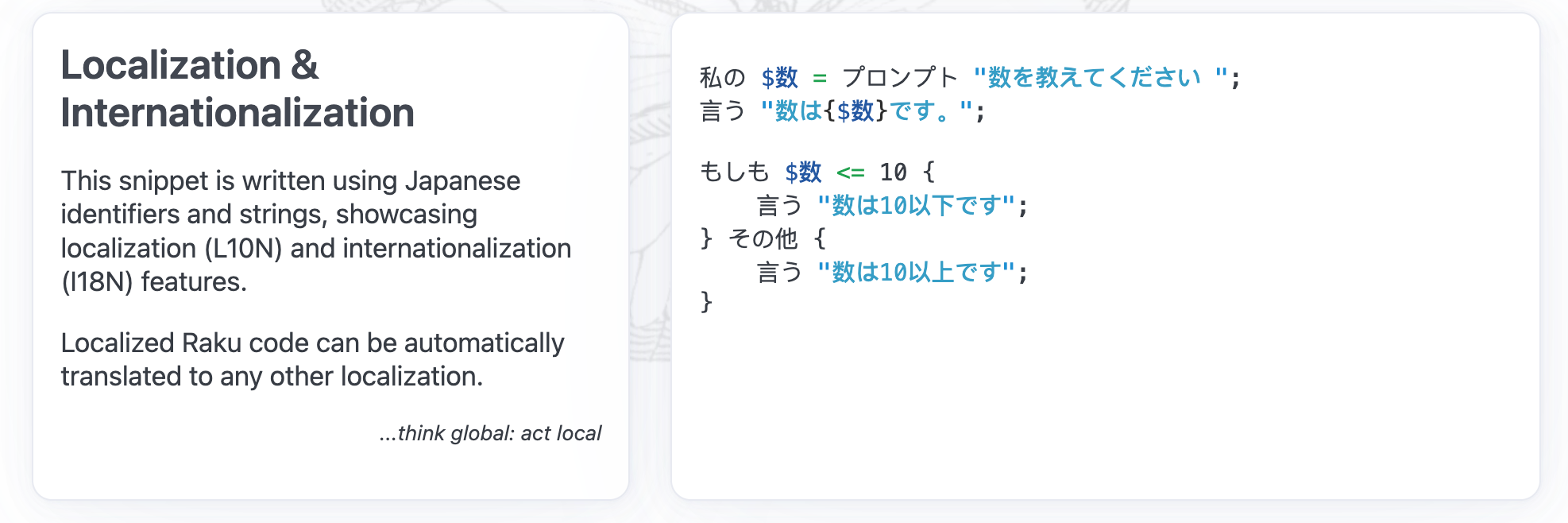
En dan tot slot deze echt coole tip van collega en nieuwsbrieflezer Michael: de programmeertaal Raku (een soort opvolger van Perl) kan tegenwoordig vertaald worden, in het Nederlands, maar ook Japans and Chinees! Wat cool en wat een fijne stap naar een inclusievere programmeerwereld!
Geniet van je boterham!
English
Here we are again! First things first, another paper I co-authored has been published, together with Izaak Dekker—you know him, of course, from the student crisis. I was already bummed that I really didn't have the time or space left to write a good piece about it, but… that's been taken care of because Frans van Heest—the brains behind ScienceGuide—has launched his own site and has already nicely summarized our piece for you (In Dutch sadly)
It's been a nice week, not just because of the sunshine, but also thanks to all the wonderful reactions to my piece in NRC—thanks! The best one might have been this:
Is this a nice form of wishful thinking or, on the contrary, a very accurate prediction? A sharp, thought-provoking, and therefore interesting vision of the future (Okke van 't Verlaat on BlueSkytranslated from Dutch)
Yes, this is wishful thinking, but is that a bad thing? I never would have thought we'd ever get phones out of schools, but we did it. People who fought for women's suffrage and civil rights probably didn't think it would work either, but they did it anyway.
I was reminded of this quote from Vaclav Havel that I recently used in a lecture:
I was glad that my piece was described in various places as hopeful and optimistic (it's a nice change from being seen as a pessimist), because that is what it is. Economics professor Alex Imas also predicts that human-made things will become more valuable, based on a paper by two economists:
[AI] will trigger [...] a post-commodity economy, where a growing share of expenditure goes toward goods and services whose value is inseparable from the human who provided them. The same economic forces that moved 40% of the American workforce off farms and into factories and offices will move workers [into the] human-intensive, provenance-rich, sometimes artisanal part of the economy where the human aspect is part of the value of the good or service itself. The economics of scarcity won't disappear; it'll just relocate.
We need visions like this! It is not up to technology creators alone to determine what the world could look like, or will look like! Visions of the future belong to all of us, and the desires of big tech are of a very different nature; they want to automate everything that is human. But what is actually possible? I wrote about that again this week in Volkskrant. That column begins like this:
'Everything humanity has ever created, every task, every achievement, will very soon be performed better by artificial intelligence', says former Googler and writer Mo Gawdat on LinkedIn. These days, we hear this all the time: AGI—artificial general intelligence—is almost here. (translated)
But of course, they don't really mean every single task... You can read the rest of the column here (in Dutch) tl;dr: don't let anyone convince you that AI can really do everything.
And fortunately, quite a few other pieces on AI resistance appeared this week!
Marietje Schaake just released a new book, and said in an interview with De Tijd about it (Dutch):
People act as if AI has some great intrinsic value that justifies all the sacrifices being demanded. We don't ask ourselves enough who benefits from this.
According to her, a 'botlash' is brewing, in which people will start resisting AI. I hope she's right, but it seems to be a serious scenario:
I was recently at an AI conference, where I spoke with a representative from one of the world's largest investment banks. That bank, too, is working with scenarios in which a widespread popular uprising against AI will occur within two years. And who am I to doubt the thoroughness of such an analysis?
And of course, that doesn't have to take the form of Molotov cocktails thrown at Altman's building, though that is a sign of it. Rolling Stone writes in yet another well-researched piece 11
Digital media professor Safiya Noble, author of the book Algorithms of Oppression, says, "We are solidly in the 'techlash,' which is the backlash against the tech sector and tech billionaires, who are obsessed and preoccupied with their sci-fi fantasies of the future."
11: A shame though their founder is quite the sexist :(
May: Social Break!
Hi there, it's almost May, time to take a social media break along with the Dutch initiave "Mei Social Vrij"
Join in, log out, and enjoy your downtime. I'm looking forward to it!
To help you prepare for that new world, here are a few interesting articles on the topic. For example, this one from The Wall Street Journal about landlines for children. An underreported problem with cell phones is that (phone-free) children can't even call their friends to make plans! That has to be done via their parents' WhatsApp, which is very inconvenient simply because you don't know which parent is near each child on any given day to ask if they can play, and then as parents you always have to check your phone. So it's handy if kids can just call each other (at home)!
Or what about the unexpected success of the... iPod! According to QZ, it's really on the rise:
Additionally, according to Back Market, total sales of refurbished iPods are up an average of 15.6% per year over the past two years.
I think that makes sense; my Light-phone is a bit like an iPod—you can listen to music on it, but there are no distracting apps. And it doesn't track anything else, even if you listen to the Teletubbies Tune 24/7—that's entirely up to you: "It doesn't try to optimize you or track your metrics while doing it".
And if you're not doing it for yourself? Then think about your children! A very old study, from as far back as 2017, by the National Academy for Media and Society among 1,849 young people between the ages of 13 and 18 showed that
[...] 38% of parents "sometimes or even never" respond to their children's requests to put down their smartphones.
Yeah, I always think when I hear people raving about growing up smartphone-free: why do you have one yourself? Quoting myself (translated from Dutch):
We know that children of drinkers start drinking and children of smokers start smoking. So are you genuinely worried that your children will become phone-dependent? Then put your phone in the top drawer and only use it after their bedtime. You don't smoke in the living room, do you?
Exactly! Even if you pick up your phone for something useful, you'll find yourself scrolling again in no time. It's called "train behavior," as I learned from this article on HLN:
You unconsciously jump from one app to another, and before you know it, another 30 minutes have passed.
And this behavior really has an effect, writes Cal Newport (a computer science professor best known for his book Deep Work) in the New York Times:
Research from Gloria Mark, a professor of informatics at the University of California, Irvine, indicates that our attention spans are about one-third as long as they were in 2004, with the biggest drops happening around 2012.
Newport does make some bold claims, noting that productivity declined as technology became increasingly addictive, but of course, that could be due to all sorts of factors. Nevertheless, his piece references a wealth of clear research, such as the fact that the mere presence of a smartphone reduces your concentration (so maybe we should go smartphone-free next May?)
Newport rejects the idea that all this is inevitable, and draws a comparison with fast food: "Stop consuming ultraprocessed content. Don't use TikTok. Don't use Instagram. Don't use X. Their sugar-high benefits aren't worth the costs." and concludes strongly:
I'm done ceding my brain — the core of all that makes me who I am — to the financial interests of a small number of technology billionaires or the shortsighted conveniences of hyperactive communication styles. It's time to move past fretting about our slide into the cognitive shallows and decide to actually do something about it.
Yesssss!
So, join in, announce it quickly on social media so you'll look like a fool if you post anyway (feel free to do the same to me if I am failing)! As an extra-special service, I'll also recommend a movie or book every week in May to help pass the time. If you do end up getting bored, you can always enjoy a newsletter from my archive, or order the fun little guide! Or, maybe even better.... Just do nothing!
Innovative cheating?
Students at Koning Willem II College were caught secretly using AI via a smuggled phone. The Brabants Dagblad calls that "innovative," but I don't think it's that impressive, because whether you use that phone to access your own cheat sheet, to text someone, or to use AI, this has nothing to do with AI technology, but with poor supervision—perhaps because, as the article mentions, "the girls were known to be well-behaved and extremely polite." I think that's your smoking gun!! In fact, AI was more of a problem than a solution for the girls here, because by all giving the same answer, they were caught out. An old-fashioned cheat sheet might not have been noticed!
But of course, there are always experts who feel compelled to react to this with hyperbole: all written exams must go, because AI (which wasn't the real problem here—even without AI, these ladies could have cheated; even an undiscovered Nokia 3310 and a helpful hotline would have caused problems here). And this expert doesn't stop there: all computer assignments must go unless they're carried out in a secure environment. Yes, I can be a bit radical myself sometimes, but then there's very little left.
Don't let it them get to you, teachers—paper-based exams—if we keep a close eye on phones, watches, and glasses—are a great way to go! Besides, the system failed in a good way here; the teacher recognized the AI nonsense, and the students are receiving a severe, appropriate punishment. No problem, moving on.
And then there's this
- Great Tegenlicht documentary with Helen Lewis about individual geniuses and the effect of that myth on history and the future, for example, how Elon Musk has rebranded his crazy quirks (being totally unkind) as a necessary trait for his genius.
- Hopeful piece in Trouw by Erik Ex (all his pieces are great!) about black swan schools—schools that, despite a challenging student body, are doing exceptionally well. What do we see there? The schools are very diverse, but stand out because both teachers and students feel at home and seen there. Whether that's cause or effect—well, a bit of both, of course—but it's certainly wonderful! (Dutch)
Events, in English
- Monday, May 18, I'll be on a panel about the future of science at Spui25
- Friday, June 5, at TU/e, I'll be on a panel about the future of peer review
- Wednesday, June 10, I'll be speaking in Antwerp at DDD Europe
Bad news
Are you a Democrat in the US and want to run in the midterms? Then don’t be too critical of AI, say advisors in the party leadership (oh no, there go my chances!). And we'll stay in America for a bit for this shocking story about the privatization of ambulances! A boring situation that needed a good shake-up:
"25 years of EMS and ambulance designs are stagnant," said one commenter in an EMS channel on Reddit. "Most manufacturers are like: 'We added a shelf for a monitor' 'We added a harness to the bench' 'We added LED cabinet lighting' That will be $300k please!"
And a bit more in the medical category. AI bots make the wrong diagnosis in 80 (!) percent of cases at the onset of an illness! Researchers tested 21 different models (including Deepseek, Gemini, Grok, and ChatGPT) and found that they make decisions far too quickly when little information is available. A human doctor might ask follow-up questions, gather more information, or (annoying but sometimes necessary) send you home and tell you to come back in two weeks.
And just when you thought things weren't going well enough with the vaccines in America, they're now also halting all further research into mRNA vaccines. Good luck in the next pandemic...
And: there are more updates regarding DigiD... Jetten will not be taking over the previously (broadly) adopted plan to terminate Solvinity's contract for DigiD (so not blocking the takeover, but keeping DigiD out of American hands in a different way). Too bad, but we'll of course keep up the pressure with the lawsuit.
AI toys, no! Not only is safety, of course, a big question mark, but children also get a distorted view of what contact is. It's a bit like the point Dekker and I make in our piece on learning: it's precisely friction—the fact that a human playmate doesn't always want what you want—that leads to understanding what social contact looks like. And that naturally carries over into (young) adult use, but is also clearly highlighted in an article by programmer and scientist Geertrui Mieke De Ketelaere in NRC (Dutch). Also sort of backlash, by the way, because she's someone who was initially enthusiastic about AI and is now very skeptical.
And then there's this new paper (I got it recommended to me several times by loyal readers!) that introduces a new term: the LLM fallacy. This is the idea that, by working with AI, you come to believe you're a smart and independent thinker, when in fact you're always being guided. The LLM's output is, as the authors put it, "cognitively absorbed into the user's self-assessment, producing a misalignment between actual and perceived capability." And yes, the hyper-optimists will say, that's how it works when you read something in a book too—you sometimes think something is your own idea—but I think the chance is still a whole lot greater that when you get ready-made pieces, in "your own style" if you ask for it, you'll think: oh yeah, that's exactly how I would have done it myself.
Good news
Do you know who's already social media-free? Children in Denmark at a school that's switching back to less digital work, as seen on the Jeugdjournaal. And yes, that might be entirely good news—they're missing out on fun, beautiful, and enjoyable digital things—but it's also a step away from big tech and toward each other.
A nice thread on BlueSky about a paper on the benefits of Omega-3 supplements, which was retracted after another researcher got suspicious immediately upon publication and put pen to paper. It's good news that such a paper is retracted, of course, but it's a shame it had to happen this way! Reviewers or a publisher should have (and could have) spotted such errors.
And finally, this really cool tip from colleague and newsletter reader Michael: the programming language Raku (a sort of successor to Perl) can now be translated into Dutch, as well as Japanese and Chinese! How cool, and what a great step toward a more inclusive programming world!
Enjoy your sandwich!
Member discussion