Special: wetenschapsbeoefening
Terwijl ik lekker op vakantie ben, kan jij genieten van deze vooruit voorgeprogrammeerde special!
Schitterend gesprek over wetenschapsbeoefening
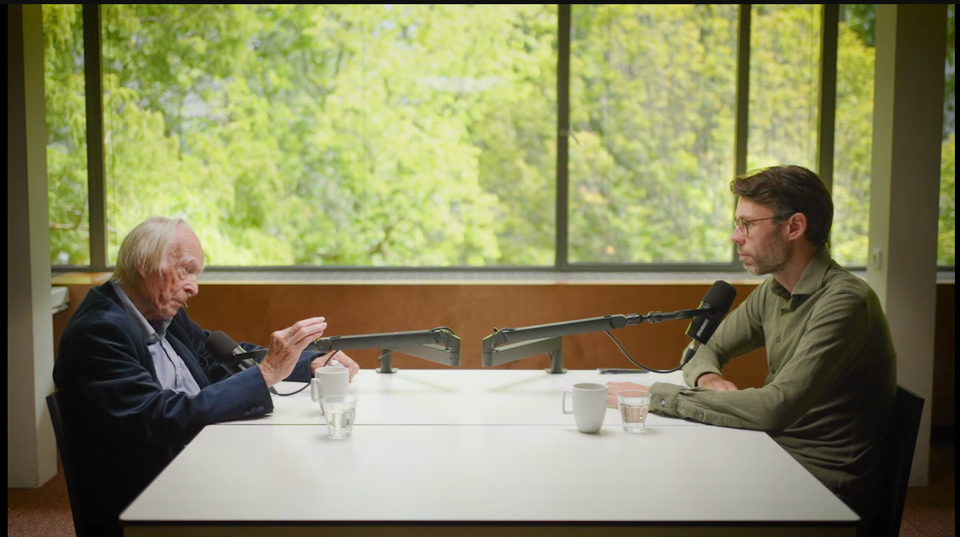
Wát een interview met bioloog Denis Noble. Alles zit erin, hoeveel we nog niet weten over onze eigen biologie, hoe bijvoorbeeld cellen als je sport weten dat je extra energie nodig hebt, of wat er precies voor zorgt dat ons hart klopt, of hoe een cel weet dat zijn DNA goed gekopieerd is voor hij zich splits.
Hoe die dingen en nog zo veel meer werken, we weten het niet! Nergens in je lijf, zegt Noble, kunnen we één plek aanwijzen waar "de klok" het ritme van jouw hart slaat. In een embryo pompt bloed al rond voordat er een zenuwstelsel is! Of dit recente onderzoek in Nature, waaruit blijkt dat kankercellen mitochondrieën 'stelen' om zich zo te vermommen dat het immuunsysteem ze niet herkent. Een cel met een plaksnor op, kan je het je voorstellen?
Hoe mooi is dat, hoe humbling, en ook hoe gaat dat in tegen het idee dat we op korte termijn machines zouden kunnen maken die net zo zijn als mensen! Hoe kunnen we dat zeggen, als we nog niet eens weten hoe een mens werkt?!
Maar het interview gaat ook in op het proces van wetenschap doen, hoe mensen, ook wetenschappers, zich altijd aangetrokken voelen tot simpele verhalen. Noble is kritisch over zijn oud-student Richard Dawkins, die volgens hem ten prooi gevallen is aan de onweerstaanbare sirenenzang van een goed verhaal (niet lekker kort, though):
The Selfish Gene is a fabulous story, it’s just completely different from what actually happens in biology
En hoezeer wetenschap gedreven wordt door de sociale omgeving, zoals scherpe interviewer Hans Busstra samenvat:
Science works on the questions we permit ourselves
En die "ourselves" is hier, vind ik, wel erg genereus, want zo vaak zijn het niet de vragen die we onszelf gunnen, maar de vragen die ons gegund worden, door funders, reviewers, kritische vragenstellers op conferenties en ga zo maar door. Denis Noble legt ook zo goed (al is het wel in heel veel detail waarvan ik niet alles kon volgen) uit hoezeer kennis in biologie gevormd wordt door de theorieën die mensen geloven, in dit geval de central dogma in de celbiologie dat alles wat een lichaam is en kan uit met eenrichtingsverkeer het DNA komt. En niet alleen geloven mensen dat dat zo is, maar ze zeggen ook nog eens, zoals Dawkins, dat filosofie geen rol heeft in de beta en doen daarmee om meerdere manieren de wetenschap geweld aan, want ze doen alsof er een soort neutraliteit is. Andere wetenschappers moeten dan mee in dat frame en zeggen dat we moeten stoppen men neutraliteit. Dat is natuurlijk goed en dapper en nodig, maar het echte verhaal is dat er geen neutraliteit is!
En dan nog even meta, ik heb enorm van dit lange (anderhalf uur!), gedetailleerde en rustige interview genoten, omdat dit de wetenschapscontent is die we vaak missen, op tv wordt het allemaal wegbezuinigd en op YouTube viert een heel ander soort wetenschapsverhaal hoogtij.
En dan nog even dit
- Voor in de agenda: augustus 2027. Want de CEO van Microsoft AI voorspelt dat over 18 maanden al het white collar werk door AI gedaan zal worden.
Geniet van je boterham!
English
While I am on holidays, you can enjoys this preprogrammed special!
Wonderful conversation on scientific practice
What an interview with biologist Denis Noble. It covers everything, how much we still don't know about our own biology, how, for example, cells know that when you exercise you will need extra energy, or what exactly makes our hearts beat, or how a cell knows that its DNA has been copied correctly before it divides.
How these things and so much more work, we don't know! Nowhere in your body, says Noble, can we point to a single place where “the clock” beats the rhythm of your heart. In an embryo, blood is already pumping around before there is a nervous system! Or this recent research in Nature, which shows that cancer cells 'steal' mitochondria to disguise themselves so that the immune system does not recognize them. A cell with a fake mustache, can you imagine?
How beautiful is that, how humbling, and also how it contradicts the idea that we could soon be making machines that are just like humans! How can we say that when we don't even know how a human works yet?!
But the interview also touches on the process of doing science, how people, including scientists, are always drawn to simple stories. Noble is critical of his former student Richard Dawkins, who he believes has fallen prey to the irresistible siren song of a good story (not very short, though):
The Selfish Gene is a fabulous story, it's just completely different from what actually happens in biology
And how much science is driven by the social environment, as interviewer Hans Busstra summarizes:
Science works on the questions we permit ourselves
Although I find that 'ourselves' is generous here, because so often it is not the questions we allow ourselves, but the questions we are allowed, by funders, reviewers, critical questioners at conferences, and so on. Denis Noble also explains very well (albeit in great detail, which I couldn't follow entirely) how much knowledge in biology is shaped by the theories that people believe, in this case the "central dogma" in cell biology that everything that a body is and can do comes from DNA in a one-way traffic. And not only do people believe that this is the case, but they also say, like Dawkins, that philosophy has no role in the sciences, thereby doing violence to science in several ways, because they pretend that there is some kind of neutrality. Other scientists then have to go along with that frame and say that we must stop being neutral. That is, of course, good and brave and necessary, but the real story is that there is no neutrality!
And then, on a meta level, I thoroughly enjoyed this long (an hour and a half!), detailed, and calm interview, because this is the kind of science content we often miss. On TV, it's all defunded, and on YouTube, a completely different kind of science story is becoming mainstream.
And then there this...
- Make a note in your calendar for August 2027! Microsoft AI's CEO predicts that all white collar work will be done bij AI in 18 months
Enjoy your sandwich!
Member discussion